
Community Resilience
NoirUnited Tanzania
Agribusiness, food and agriculture, and the environment. We listened first, and we are building with Tanzanian farmers, cooperatives and businesses.

At a glance
- 3Places visited: Tanga, Morogoro and Zanzibar
- 6Local farms, cooperatives and offices we worked with
- 2025Year of our research and partnership mission
- 4Focus areas for the programme
Why Tanzania
Tanzania is one of East Africa’s farming anchors. From the mainland regions of Tanga and Morogoro to the spice economy of Zanzibar, the country grows a great deal of food that people want, at home and abroad.
Many producers still cannot capture the full value of what they grow. Processing, storage, branding and distribution are uneven, and women, who lead much of the farming and cooperative work, face the sharpest barriers to financing, equipment and markets.
That is where a diaspora-led approach can help: partners who know the markets abroad, working with people who know the land.
What we found on the ground
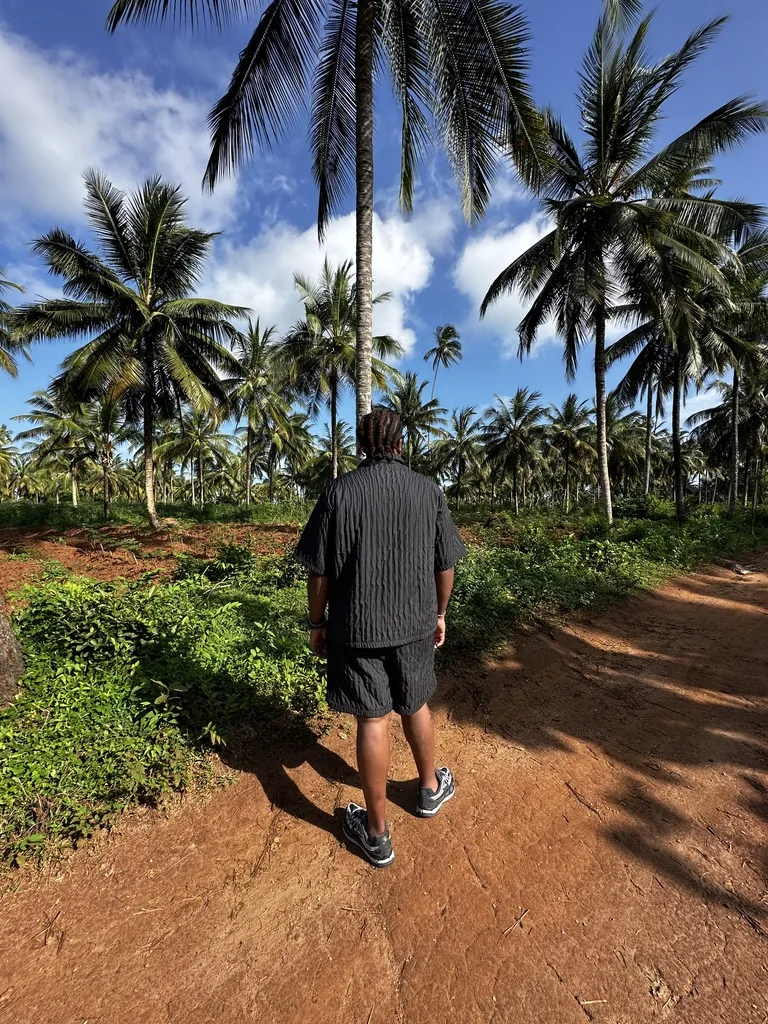
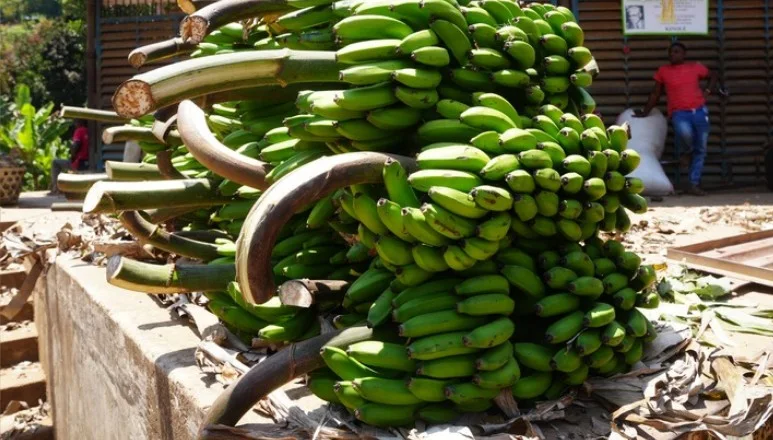
In 2025 we travelled through Tanga, Morogoro and Zanzibar. We met smallholder farmers, women-led cooperatives, food processors and regional government officials, and we visited working farms and processing sites.
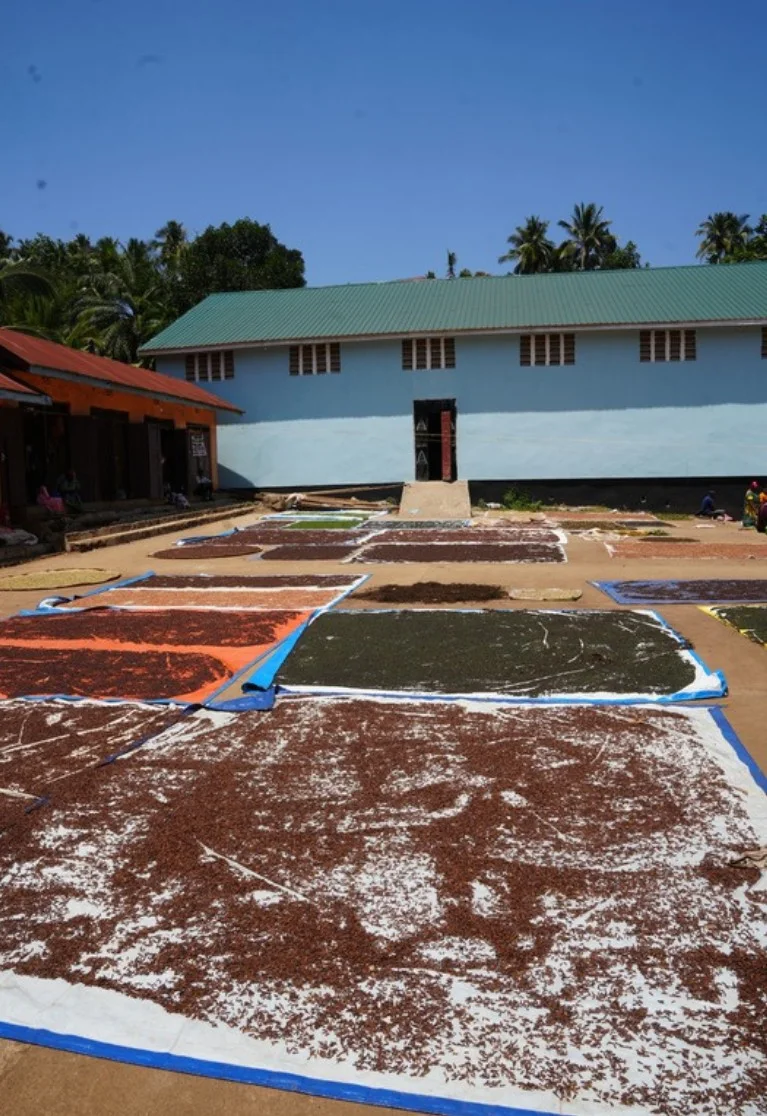
Spices stood out. In Zanzibar, the State Trading Authority told us it wants to grow clove exports to the United States, which today go mostly to Europe. In Morogoro, we visited Get Aroma Foods, a spice-exporting start-up, and the regional office named agriculture a priority area and welcomed partnerships.
We also looked at fruit. On one mango farm we saw 1,000 acres, about 25,000 trees and 12 varieties, with room for a partnership that pairs land leasing with dry processing. Spices are our first focus, and dried fruit remains an option for later.
The food system we are working on
Strong farms are only the first link. Income and nutrition are decided across the whole chain, so that is where we look.
- 1
Grow
Smallholder farms, including women and youth farmers, with climate-smart practices that protect soil and water.
- 2
Process
Turning fruit, spices and grain into dried fruit, powders and other goods that meet export standards.
- 3
Store
Storage and cold chains that cut the food lost between the farm and the market.
- 4
Sell
Local, regional and diaspora markets, with fair prices and a direct line to buyers abroad.
What we did, and when
- 2025
Research and partnership mission
A diaspora-led trip across Tanga, Morogoro and Zanzibar. We met farmers, cooperatives, processors and officials, and listened to local priorities before proposing anything.
- After the mission
Market links explored
We began looking at routes between Tanzanian producers and international and diaspora markets for higher-value trade.
- 2025
A week in Kenya
We continued to Nairobi to learn from more developed processors and a national research institute. The trip notes are in Insights.
- Next
A first project: spices
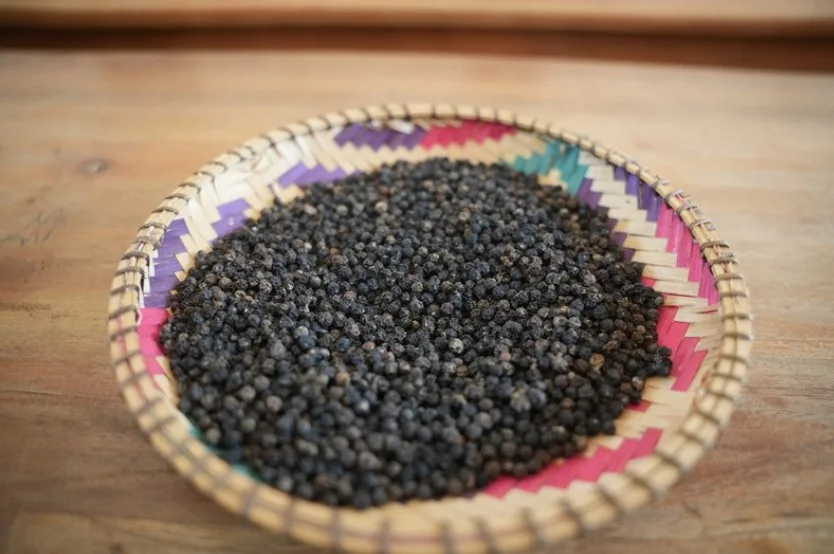
Our likely first project is spices, such as cloves and black pepper. We also explored dry processing of fruit and may return to it. Seaweed and seafood could follow as partnerships grow. Scope and timing are still being set with partners.
From the field
Where we are heading
Our programme rests on four areas. We will shape each one with the cooperatives, businesses and officials we have met.
Agribusiness and value addition
Help farmers and small firms process what they grow and sell it for more, starting with spices.
Food and agriculture
Sustainable farming, less post-harvest loss, and better nutrition and food security for communities.
Environment and climate resilience
Climate-smart farming and rural resilience work that protects land, water and livelihoods for the long term.
Women entrepreneurs and trade
Put women at the centre, and open export and diaspora trade routes for locally grown products.
Partners
- Zanzibar State Trading Authority
- Morogoro Regional Secretariat Office
- Furahia Women’s Cooperative
- Sustainable Agriculture Tanzania
- Get Aroma Foods
- Kinole Farmers Cooperative
Help build it with us
We are looking for partners who buy, process, fund or advise: businesses and buyers in the diaspora, funders of food systems and climate work, and researchers.