
In 2025 we travelled across Tanzania and Kenya to study how the diaspora can best support small-scale farmers and strengthen food systems. We met farmers, cooperatives, processors, researchers and officials, and we listened before proposing anything. This is what we saw.
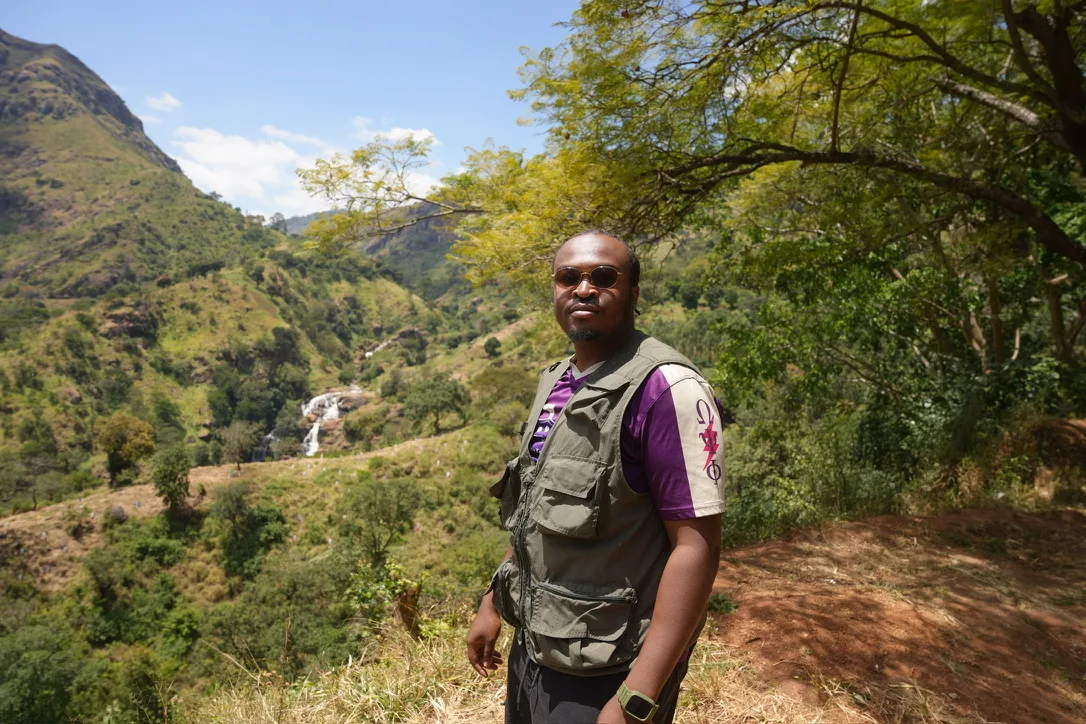
Tanzania: Tanga, Zanzibar and Morogoro
We visited farms and processing sites in Tanga, Zanzibar and Morogoro, and met farmers, including women and youth, and cooperatives.
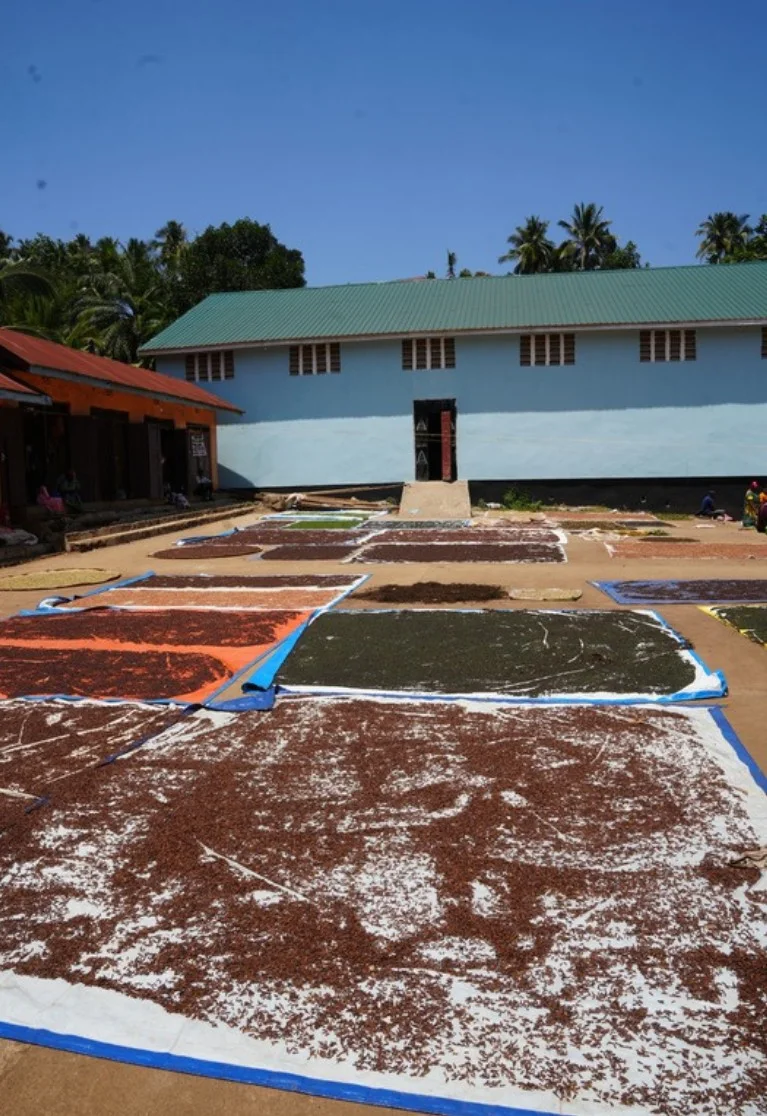
- Zanzibar. The Zanzibar State Trading Authority told us it wants to grow clove exports to the United States, which today go mostly to Europe. We also met the Furahia Women’s Cooperative.
- Morogoro. We met the Morogoro Regional Secretariat Office, which named agriculture a priority area and welcomed partnerships. We visited Get Aroma Foods, a spice-exporting start-up, along with Sustainable Agriculture Tanzania and the Kinole Farmers Cooperative.
- Fruit. On one mango farm we saw 1,000 acres, about 25,000 trees and 12 varieties, with room for a partnership that pairs land leasing with dry processing.
Kenya: Nairobi
Right after Tanzania, we spent a week in Nairobi. Infrastructure and processing are more developed there than what we saw in Tanzania, and several established processors work with nuts, honey and beverages.
- Kenya Industrial Research and Development Institute (KIRDI). We visited the national research institute, which is looking for U.S. collaboration on technology and market access.
- SOKOFresh. A cold storage and processing company exploring soybean and avocado exports.
- Jacob’s Ladder Africa. We also visited this organization in Nairobi.
What we learned
Farmers often struggle to reach markets and to know what their goods are worth. Processing, storage and export standards decide how much of that value stays with the people who grow the food. Kenya showed what a more developed processing sector looks like, and Tanzania showed where the raw potential is.
What we are doing next
Our likely first project in Tanzania is spices, such as cloves and black pepper. We also looked at dry processing of fruit and may return to it. Scope and timing are still being set with partners. Read more on the NUI Tanzania page.
If you buy, process, fund or advise on food and agriculture, we would like to hear from you through Partner with us.